Bookmarks tagged “ai”
220 bookmarks tagged “ai”
Attribution as the foundation of developer trust - Stack Overflow
Knowledge-as-a-service: The future of community business models - Stack Overflow

The First Rule of Machine Learning: Start without Machine Learning
Why this is the first rule, some baseline heuristics, and when to move on to machine learning.

Do AI companies work? - by Benn Stancil - benn.substack
The market needs to be irrational for you to stay solvent.
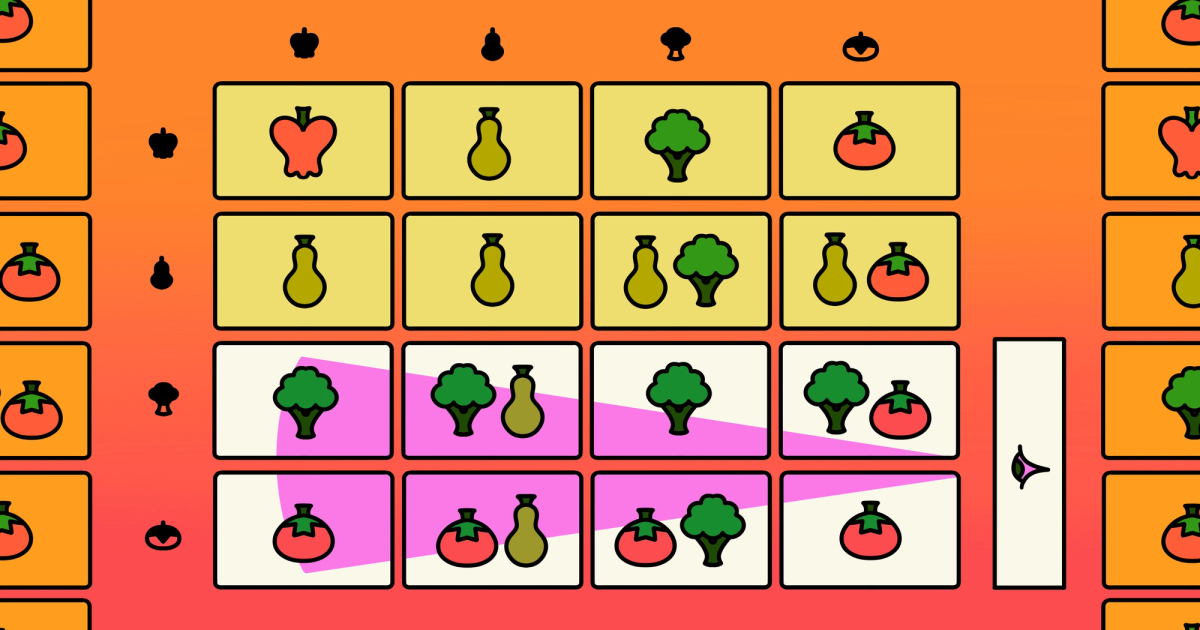

Simplify Your RAG Implementation Using Foundational Models | AWS Marketplace
Learn how to deploy production-ready vector storage capabilities, using tried-and-tested components already available in the tech stack of most organizations.




Practical tips for retrieval-augmented generation (RAG) - Stack Overflow
How I won $2,750 using JavaScript, AI, and a can of WD-40
I’ve won many marketing video contest promotions over the past decade using my proven techniques and tactics. This particular haul, however, was the first where I can give at least partial credit to the application of code and AI tools.

AI Act is Here
The European Union enabled the Artificial Intelligence Act, the first-ever legal framework on AI, addressing its risks and positioning Europe as a leader in AI legislation. This article reviews the AI Act, the different risk categories, and how (and when) it will impact developme

Breaking up is hard to do: Chunking in RAG applications - Stack Overflow

Generative AI is not going to build your engineering team for you - Stack O
Developers get by with a little help from AI: Stack Overflow Knows code ass
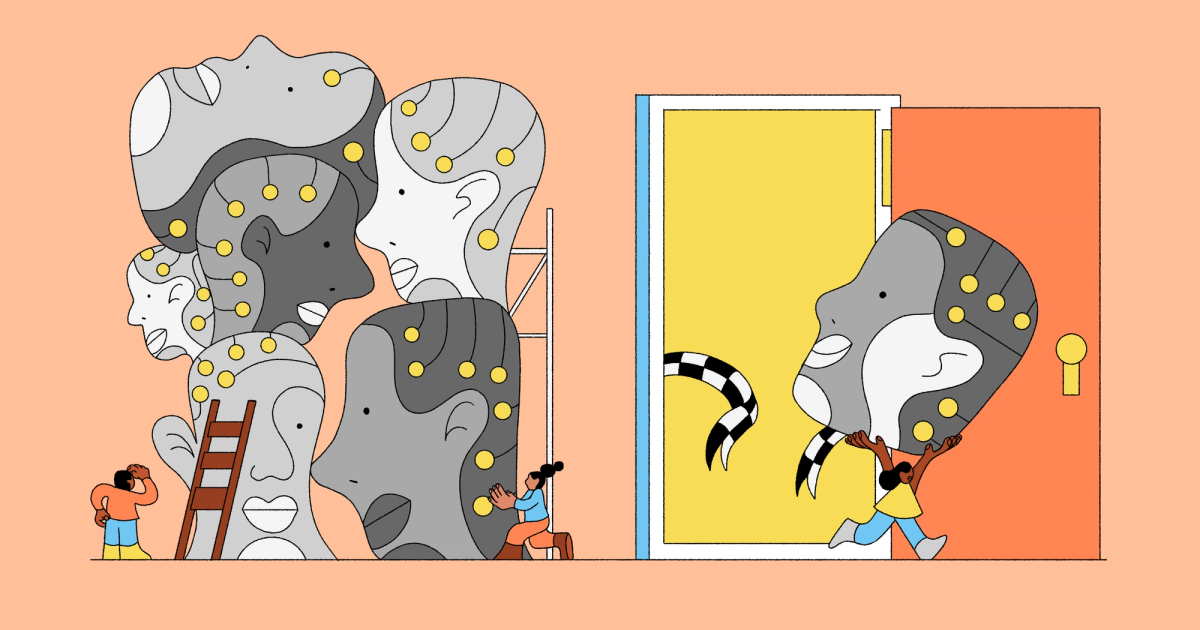
Why do only a small percentage of GenAI projects actually make it into prod

The State of Generative AI, 2024 - by Alberto Romero
A nuanced analysis and a glimpse of the future

Even LLMs need education—quality data makes LLMs overperform - Stack Overfl

Defining socially responsible AI: How we select partners - Stack Overflow

Images altered to trick machine vision can influence humans too - Google De
In a series of experiments published in Nature Communications, we found evidence that human judgments are indeed systematically influenced by adversarial perturbations.